Legionella risk assessment is regarded as a common legal requirement, but if overlooked, it can be deadly. When it comes to water safety in buildings, it is non-negotiable. The process is intended to examine the conditions that promote the growth of Legionella pneumophila in the water system. If left unchecked, this can lead to Legionnaires’ disease, a severe condition of pneumonia.
To ensure health and safety, a legionella risk assessment is necessary in Liverpool. But sometimes professional surveyors miss some serious issues. This happens not because of negligence, but because of inaccurate information, limited access, and poor system design. But these details hamper the precision of the risk assessment system.
Some Common Missed Issues During A Legionella Risk Assessment
Here, we have listed some common issues that are often missed in real-world assessments.
Hidden Pipeworks
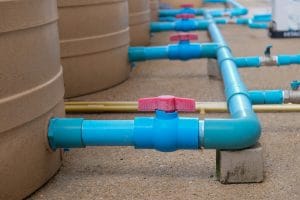
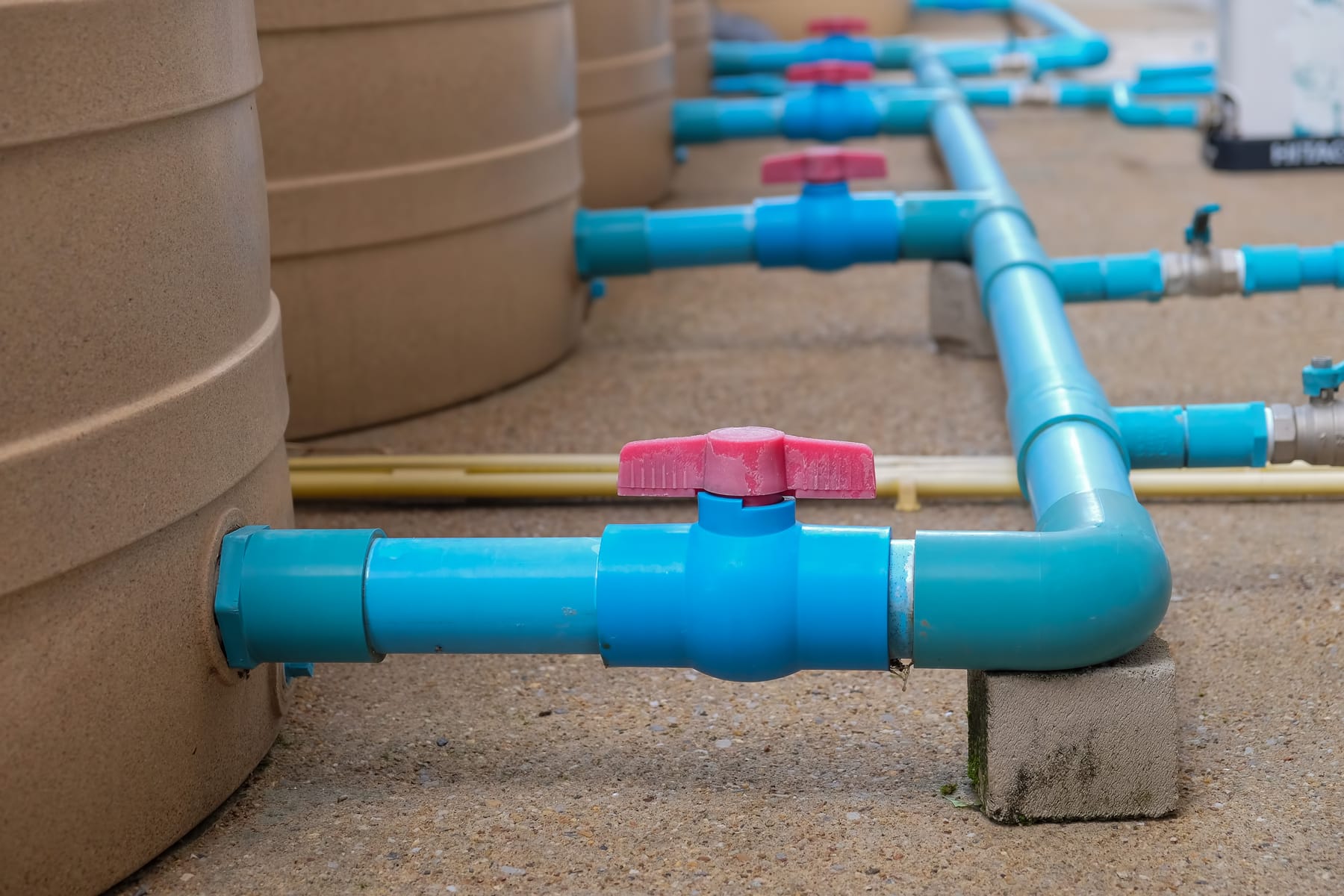
The concern about hidden or forgotten pipework is the primary issue affecting the overall legionella risk assessment. In old buildings, pipes are just disconnected, but not removed. After extensions and refurbishment projects, the unused pipe sections are left behind. Modifications are often made without updating the system drawings.
Disconnected pipes create ideal conditions for the growth of Legionella pneumophila. A thorough inspection is necessary. Having an accurate building record may solve this problem.
Unused Or Low-Use Outlets In Modern Buildings
To offer flexibility, buildings include extra washrooms, sinks, and many outlets that are rarely used. Low usage leads to water accumulation and bacterial growth. Surveyors must focus on their usage rates and implement variations in the usage patterns.
Tmv Issues Are Often Overlooked
To prevent scalding and regulate water temperature, Thermostatic Mixing Valves (TMVs) are typically installed. Improper access can cause serious issues.
Incomplete Or Outdated Systems
Accurate and adequate information about the water system is highly appreciated to generate an accurate Legionella risk assessment report. But most buildings fail to provide the right information to the right people. It often leads to an incomplete assessment.
Who Should Conduct A Legionella Risk Assessment?
Building managers, landlords, and even employers can opt for a legionella risk assessment to prevent potential health risks. All buildings, shared workplaces, and other accommodations must conduct this assessment to ensure safety. Rented accommodations, care homes, office blocks, churches, supermarkets, hotels, schools, and hospitals must not be exempt. It is all about public health. So, there is no strict boundary regarding who can or cannot do this.
Want A Thorough Legionella Risk Assessment?
A simple mistake means compromising water safety and human health. So, demand for a thorough legionella risk assessment is always justified. Surface-level inspections aren’t enough to prevent serious concerns.
To ensure safety, place your trust in JTJ Pipeline Services Ltd. We conduct meticulous checks that go beyond a basic checklist. Irrespective of the type of buildings, we maintain the safety of your water system and keep you safe. Want to conduct a legionella risk assessment in Liverpool today? Assistance is just a few steps ahead. Dial the number of JTJ Pipeline Services Ltd and discuss your needs.